Get Lightning Protection Service
Lightning Protection Service providers help property owners prevent damage and safety hazards by installing lightning rods, grounding systems, and surge protectors for various buildings and structures.
Property owners in the area seeking reliable lightning protection services are in the right place. Proper planning and installation of lightning protection systems can help safeguard buildings, electrical systems, and valuable assets. Exploring options with experienced local contractors ensures that safety measures are appropriately tailored to the specific needs of each property, providing peace of mind during storm seasons.
This page offers a helpful starting point for comparing local service providers who specialize in lightning protection. Whether considering upgrades or new installations, reviewing different contractors can assist in making informed decisions about the most suitable solutions for your property. Keep reading to discover how local experts can support your lightning safety needs.
- Commercial Buildings - businesses that require lightning protection to safeguard equipment and personnel during thunderstorms.
- Residential Homes - homeowners seeking to protect their property and electrical systems from lightning strikes.
- Industrial Facilities - factories and warehouses in need of reliable lightning protection to prevent operational disruptions.
- Telecommunication Towers - communication sites that depend on lightning protection to maintain signal integrity.
- Historical Structures - heritage buildings requiring specialized lightning protection services to preserve their integrity.
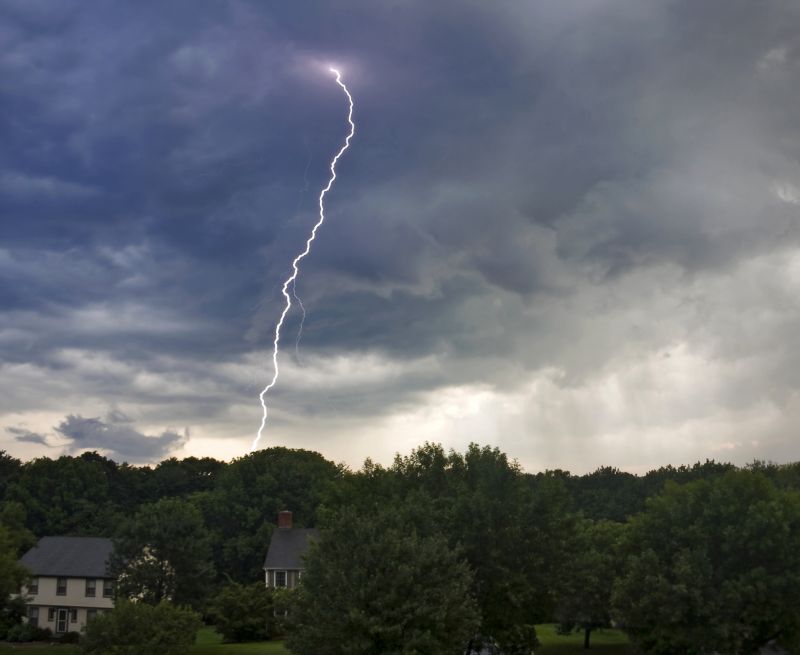
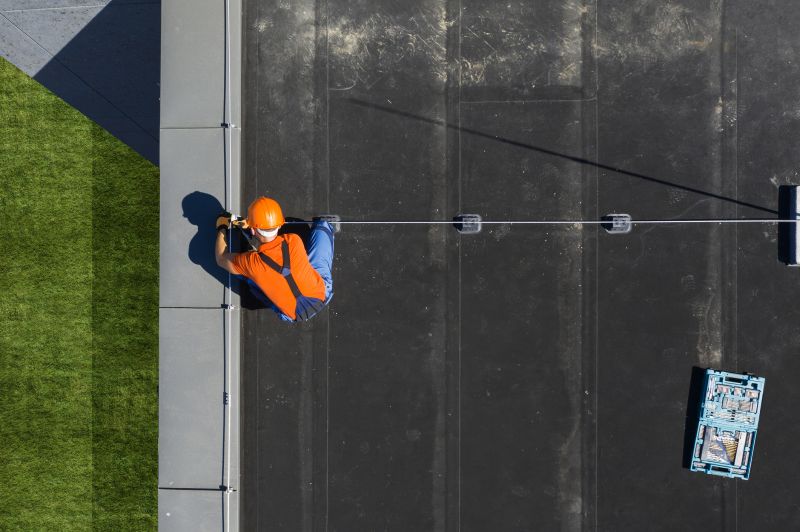
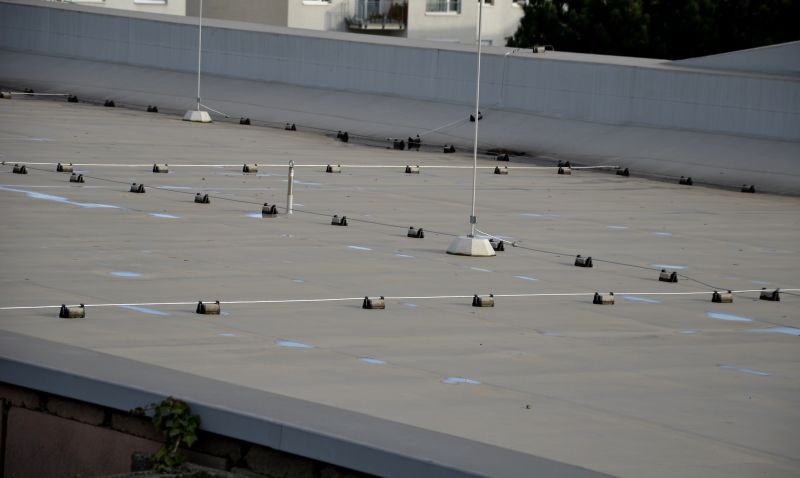
Lightning protection services involve installing specialized systems designed to safeguard properties from the damaging effects of lightning strikes. These systems typically include lightning rods, conductors, and grounding equipment that work together to direct lightning energy safely into the ground. Proper installation ensures that when a lightning bolt strikes, the electrical surge is diverted away from the building’s structure, electrical systems, and occupants, reducing the risk of fire, electrical damage, and personal injury.
These services help address common problems associated with lightning strikes, such as electrical fires, damage to appliances and electronics, and structural harm. Without adequate protection, a direct lightning strike can cause significant and costly damage to a property’s wiring, HVAC systems, and even the foundation. Lightning protection systems are designed to prevent such issues by providing a controlled pathway for lightning energy, thereby minimizing the potential for property damage and safety hazards.
Properties that typically utilize lightning protection services include residential homes, commercial buildings, industrial facilities, and agricultural structures. Homes situated in areas prone to frequent thunderstorms or with tall, exposed features are especially common candidates for lightning protection systems. Commercial properties such as warehouses, office buildings, and retail centers often opt for these services to protect their assets and ensure safety for employees and visitors. Larger or taller structures, regardless of their purpose, can benefit from lightning protection to prevent disruptions and damage caused by lightning strikes.
Homeowners and property managers who notice signs of previous lightning strikes, experience frequent thunderstorms, or want to enhance safety measures may consider lightning protection services. These systems are particularly relevant when a property has tall trees, metal features, or other prominent structures that could attract lightning. Contacting local contractors who specialize in lightning protection can provide tailored solutions that meet the specific needs of a property, helping to ensure safety and reduce the risk of costly damage caused by lightning strikes.
The overview below groups typical Lightning Protection Service projects into broad ranges so you can see how smaller, mid-sized, and larger jobs often compare in your area.
In many markets, a large share of routine jobs stays in the lower and middle ranges, while only a smaller percentage of projects moves into the highest bands when the work is more complex or site conditions are harder than average.
Smaller Repairs - typical costs for minor lightning protection repairs or inspections usually fall between $250 and $600. Many routine jobs land in this middle range, with fewer projects reaching the higher end for more extensive work.
Partial System Installations - installing or upgrading parts of a lightning protection system generally costs between $1,000 and $3,000. Larger, more complex upgrades can push costs beyond this range, but most projects are within this band.
Full System Installations - complete lightning protection system installations for residential properties often range from $3,000 to $8,000. Many homes fall into the middle of this range, while larger or more customized systems can cost more.
Full Replacement or Major Upgrades - replacing an entire lightning protection system or handling significant upgrades can cost $8,000 or more. Such projects are less common and typically involve larger, more complex structures or older systems needing extensive work.
Actual totals will depend on details like access to the work area, the scope of the project, and the materials selected, so use these as general starting points rather than exact figures.
Roof Inspection and Repair - Professionals skilled in inspecting and repairing roofs can also handle the installation and maintenance of lightning protection systems that require roof access and structural assessment.
Electrical System Installation - Electricians experienced in wiring and grounding are well-suited to install lightning rods and grounding conductors for effective lightning protection.
Structural Reinforcement Projects - Contractors specializing in structural reinforcement can assist with integrating lightning protection systems into building frameworks for enhanced safety.
High-Voltage Equipment Installation - Technicians working with high-voltage systems understand the importance of proper grounding and can support lightning protection system setup near electrical infrastructure.
Storm Damage Restoration - Restoration experts familiar with storm-related damages often handle lightning-related repairs, including damage caused by lightning strikes and related weather events.
Metal Fabrication and Cladding - Metalworkers experienced in fabrication and cladding can assist with installing conductive materials and components used in lightning protection systems.
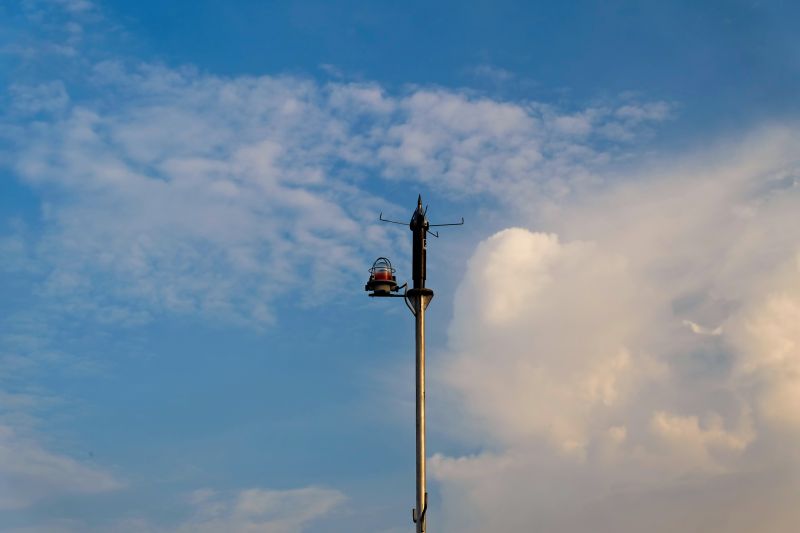
When comparing local contractors for lightning protection services, it is helpful to consider their experience with similar projects. Look for providers who have a proven track record of working on homes similar in size, style, or construction to your own. An experienced service provider will be more familiar with the specific requirements and challenges associated with installing lightning protection systems on residential properties, which can contribute to a smoother process and a more reliable outcome.
Clear, written expectations are essential when evaluating potential service providers. Reputable contractors should be able to provide detailed descriptions of the scope of work, the materials they plan to use, and the overall process involved. Having these details in writing helps ensure that both parties are aligned on what will be done, reducing misunderstandings and providing a basis for accountability throughout the project.
Good communication and reputable references are key indicators of a dependable local contractor. Service providers who are transparent, responsive, and willing to share references from previous clients demonstrate professionalism and reliability. Contacting past customers can offer insights into the contractor’s work ethic, quality, and ability to meet expectations. Remember, this site introduces homeowners to local options for lightning protection services; it does not perform the work itself but helps connect people with trusted local service providers who can handle the job effectively.
Property owners use Lightning Protection Service services for practical projects around their homes and businesses. This guide focuses on everyday jobs and straightforward project options.
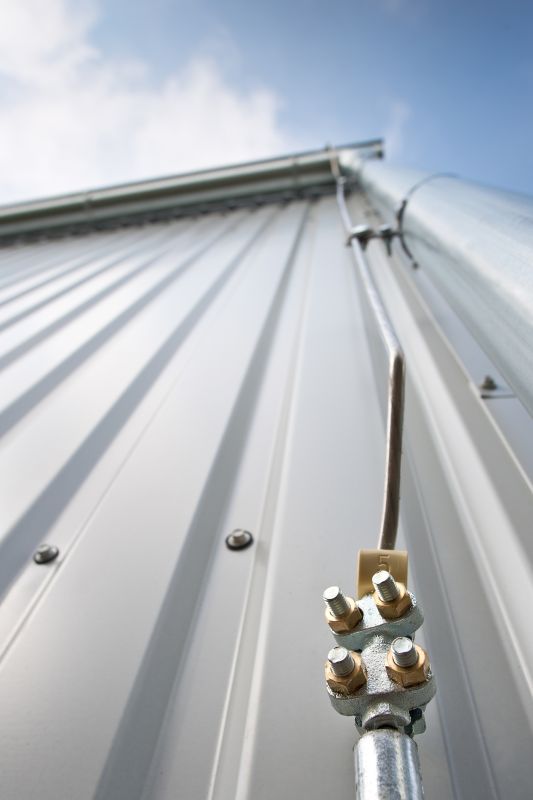
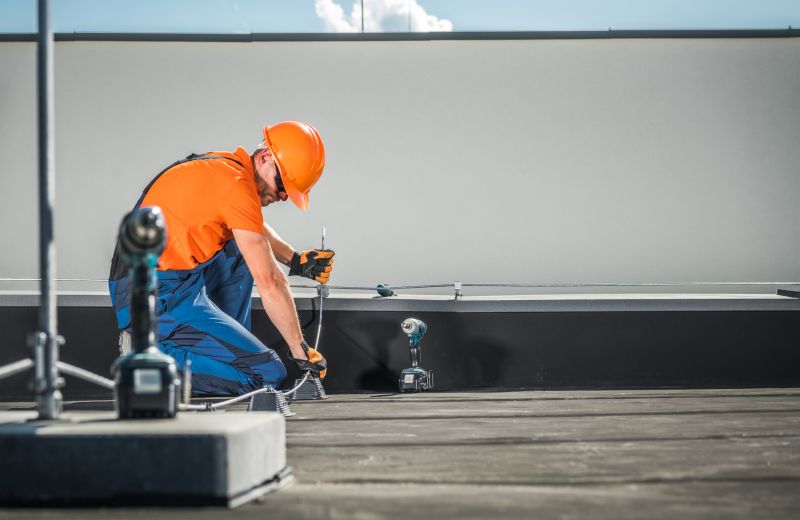
Lightning protection services are often needed for properties in areas prone to thunderstorms or frequent lightning strikes. Property owners might seek out local contractors to install or upgrade lightning rods and grounding systems to help safeguard their buildings, equipment, and surroundings. These projects are common for both residential homes and commercial properties, especially when there’s a desire to reduce the risk of fire, electrical damage, or other hazards associated with lightning strikes.
Many property owners turn to local service providers for lightning protection when constructing new buildings or making improvements to existing structures. Whether it’s adding a new system or inspecting and maintaining current installations, local contractors can help ensure that properties are better prepared for stormy weather. Connecting with experienced professionals can make it easier to find the right solutions for individual needs and property types.
What is lightning protection service? Lightning protection service involves installing systems designed to safeguard structures from lightning strikes by directing electrical energy safely into the ground.
Why should I consider lightning protection for my property? Installing lightning protection can help prevent damage caused by lightning strikes and enhance safety for occupants and valuable equipment.
How do local contractors install lightning protection systems? Local service providers typically assess the property, design a suitable system, and install lightning rods, grounding wires, and other components to ensure effective protection.
Are lightning protection systems suitable for all types of buildings? Lightning protection can be adapted for various structures, including residential, commercial, and industrial buildings, based on their size and design.
What maintenance is required for lightning protection systems? Regular inspections and testing by local contractors help ensure that lightning protection systems remain functional and effective over time.
Enhance safety for residential properties - Lightning protection services can help safeguard homes and family members during thunderstorms by providing reliable electrical discharge pathways.
Protect outdoor structures and equipment - Installing lightning protection on garages, sheds, or pools prevents damage to valuable outdoor assets in stormy weather.
Secure commercial buildings and facilities - Business owners can ensure their facilities are protected from lightning strikes that could disrupt operations or cause hazards.
Plan for future electrical system upgrades - Property owners can incorporate lightning protection into renovation projects to improve overall electrical safety and resilience.
If you are thinking about Lightning Protection Service for a property, this guide is meant to help you understand the work, the typical project types, and how different options might fit your plans.
When you are ready, you can use the quote form on this page to share a few details about your project. From there, local pros can review the basics and respond with options that match what you have in mind.